Novi Sad Wine Tours: How a Fruška Gora Wine Day Actually Works
You don’t really notice the wine around Novi Sad at first.
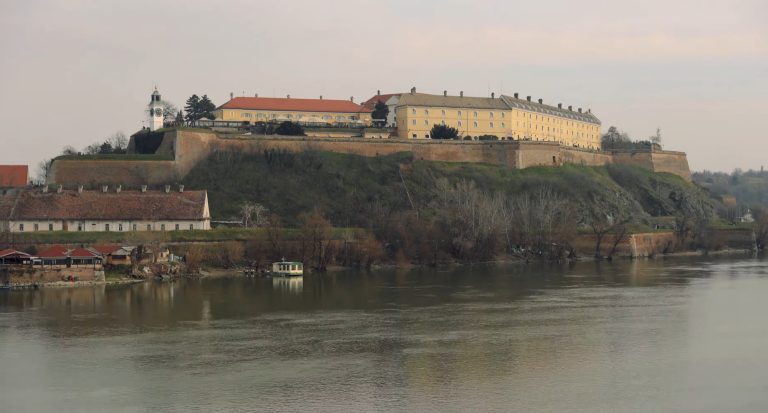
You walk through the center, maybe cross toward Petrovaradin Fortress, maybe end up by the Danube longer than expected… and nothing about the city announces itself as wine country. No rows of vines in the distance. No obvious tasting streets. No storefronts trying to pull you into that idea.
Then someone mentions it almost casually.
It’s all right outside the city.
Not far. Not some big excursion that eats the whole day. You don’t need weeks of planning or a dramatic early start. You just leave the center, sit in the car or van for a bit, glance out the window, and twenty or thirty minutes later the whole mood changes.
That’s what wine tours from Novi Sad usually are. Not a grand wine-region journey. More like stepping out of the city for a few hours and landing somewhere quieter, greener, slower, with less structure and a more local feel.
Wine tours from Novi Sad are usually compact, half-day or light full-day trips into Fruška Gora and around Sremski Karlovci. You visit one or two wineries, taste a small set of local wines, and get back to the city before the day starts feeling heavy.
It works best as part of a short stay — not as the one thing the whole trip depends on.
Why this works better than it sounds
At first glance, it doesn’t sound like much.
A nearby hill area. A few winery stops. A town you may not have heard of before arriving in Novi Sad. It can look almost too modest when you read it on a screen.
Then you leave the city and realize that the contrast is doing most of the work.
Novi Sad is flat, open, readable. You can usually tell where things are going before you get there. Then the road begins to bend a little. Trees come in closer. The horizon drops. Houses spread out differently. You’re not in some dramatic mountain landscape, not even close, but you’re definitely not in the city anymore.
That shift is enough.
You feel the day loosen.
I remember checking the route once right after leaving Novi Sad, thinking maybe we’d missed a turn because it felt too quick. We hadn’t. That was the whole point — the countryside starts almost before you’re ready for it.
And that small break in rhythm carries more weight than people expect.
You’re not really chasing the “best wine” in some competitive sense. You’re changing the feel of the day. Giving it a softer edge.
What the route usually looks like
The structure stays simple. You leave the city, move toward the wine area, stop a few times, and come back before the day starts dragging.
Novi Sad → Sremski Karlovci → Fruška Gora → winery stop(s) → tasting → return
The part people underestimate: Sremski Karlovci
A lot of descriptions treat Sremski Karlovci like a quick stop on the way to somewhere else.
That’s too small for what it does.
Karlovci is often the point where the day settles into place. You arrive and immediately slow down without meaning to. A short walk through the center turns into lingering in the square. You look at one building, then another. Maybe you step into a wine cellar. Maybe you just stand there for a minute, checking nothing, doing nothing, letting the pace reset.
It gives the rest of the route a center.
Without it, the day can feel a bit thin. Transport, tasting, transport again. With Karlovci in the middle, the outing starts feeling more grounded — less like a product, more like an actual half-day outside the city.
This is the point where a city outing quietly turns into a countryside one. Not a huge attraction. More like a hinge in the day, where the pace changes and stays changed.
What the day actually feels like (not just what happens)
The first part is usually easier than expected.
No airport-style stress. No long-haul road-trip mood. You leave Novi Sad, settle in, maybe look out the window without paying much attention, and then suddenly you’re already there.
Then it slows.
Not in a boring way. More like the day stops trying so hard.
You’re not racing through ten stops. You’re not trying to cover a region. One place, then another. A tasting that runs longer than planned because the conversation drifts. A host explaining something half casually, half proudly. A table outside. A bottle opened because “you should try this one too.” Time loosens a bit around the edges.
That unevenness helps.
It doesn’t feel overbuilt. Not too polished. You notice little things — someone carrying glasses back inside, a dog wandering near the entrance, a road between wineries that feels longer on the map than it does in real life.
And then there’s that small decision you keep making through the day: stay another ten minutes, or move on. Quite often, you stay.
- Leave Novi Sad — short transfer, almost no buildup.
- Reach Karlovci or the first winery — the pace changes straight away.
- First tasting — usually lighter, more introductory.
- Move deeper into Fruška Gora — smaller roads, quieter surroundings, less city logic.
- Main winery stop — longer tasting, sometimes with food.
- Return to the city — without needing to think too much about transport.
It’s not really about wine alone
If someone is deeply into wine — production methods, classification, grape varieties, cellar technique, all of that — this may not fully satisfy them.
That isn’t really what this kind of day is built for.
The value comes from how much it fits into a small space of time:
- a real change of scenery
- a short countryside drive
- something local and specific, not just generic European wine tasting
- a slower, less managed rhythm than the city gives you
That combination fills a gap in the trip.
Novi Sad gives you compact walks, café terraces, river views, the fortress, that calm center-city rhythm. A wine day gives you something else entirely without forcing a huge logistical effort.
It sounds small. It isn’t, once you’re there.
People usually don’t add a wine tour on top of everything else. They swap it in for another day — another city walk, another museum block, another afternoon of “what now?”
Where Fruška Gora actually comes in
You don’t really arrive in Fruška Gora with one big cinematic moment.
It just starts becoming the background to everything else.
The roads curve a little more. The gaps between places grow. Vineyards begin to show up, though not in some huge, dramatic sweep. More scattered. Tucked into the landscape. Part of it, not dominating it.
That matters for expectations.
If you’re picturing a massive, visually overwhelming wine region, this won’t match that image. You may even wonder at first if this is really it. Then the day keeps unfolding and you realize that the scale is exactly why it works from Novi Sad. Nothing feels too far away. Nothing turns into a project.
I remember one stretch of road where it barely looked like anything special at first — trees, a bend, a low slope, a few vineyard lines off to the side. Then a few minutes later we were pulling into a winery and it all clicked. That’s Fruška Gora. It doesn’t announce itself loudly.
Fruška Gora works as a close-to-the-city wine zone, not a destination you build an entire trip around. That’s exactly why it fits so well into a Novi Sad stay.
Types of wine tours from Novi Sad (and what actually changes between them)
At first glance, a lot of wine tours out of Novi Sad blur together.
Same region. Same handful of wineries. Same promise of tastings, countryside, a nice day out.
Then you look a little closer — or book one that doesn’t fit your pace — and you notice the real split isn’t in the wine at all.
It’s in how the day moves. Or doesn’t.
| Tour format | How the day feels | What you actually get | Where it works best |
|---|---|---|---|
| Short group tour | Structured, slightly faster pace | 1–2 wineries, short stops, shared group | Short stays, casual plans |
| Extended countryside day | More relaxed, less rushed | 2–3 stops, longer tastings, sometimes food | 2–3 night trips, slower travel style |
| Private wine tour | Flexible, adjusted to you | Custom timing, fewer people, more control | Couples, small groups |
| Wine + Karlovci focus | Balanced between walking and tasting | Town stop + cellar visits | First-time visitors |
The shift is rarely about one tour being “better.”
It’s about how much breathing room the day gives you.
Short tours move faster than the listing makes them sound. You get picked up, settle in, maybe look out the window for ten minutes, arrive, taste, stand around a bit, then it’s already time to move again. That can work really well if you’re in Novi Sad for a short stay and just want a countryside break.
Longer tours loosen everything. More sitting. More talking. More time where nobody is glancing at the clock or doing that subtle “we should probably go” thing.
People often compare tours by the wineries included. The pace usually changes the feel of the day more than the names do.
Group vs private: where the experience actually shifts
This is usually the first real choice.
Not because one has better wine. Because one gives you more control over the day, and you feel that almost immediately.
On a group tour, everything has a shared rhythm. You wait near the meeting point, count faces without meaning to, get in, get out, taste together, leave together. Easy. You barely think about logistics after that.
Private tours feel looser from the start.
You can stay a little longer when a stop is working. Move on faster when it isn’t. Sit down without feeling like you’re holding anyone up. Even the drive between wineries lands differently when the day isn’t tied to a group pace.
| Format | What feels easy | What changes |
|---|---|---|
| Group tour | No planning, predictable timing, lower cost | Less flexibility, shared pace |
| Private tour | More control, adjustable stops, quieter atmosphere | Higher price, requires clearer expectations |
If you just want to add a wine day to the trip, group tours are usually enough. If the day itself is part of why you’re booking it, private tours start making more sense.
What actually happens during a tasting
This is the part people tend to imagine wrong.
They picture something formal. Neatly sequenced. Maybe a little stiff.
Sometimes, sure. But a lot of tastings feel more casual than that.
You arrive, maybe slightly later than expected because the last road was narrower than it looked on the map, step inside, sit down, and glasses start appearing almost right away. Someone talks. Not in a polished presentation voice. More like someone who has said these same things a hundred times, but still means them.
There’s usually structure, just not the kind that feels ceremonial.
What is typically included in a tasting
- 3–6 wines depending on the stop
- a mix of local white and red varieties
- one or two wines that the place is known for
- basic food elements — cheese, bread, cured meat
- informal explanations rather than structured lectures
And the room matters almost as much as what’s in the glass.
Some places feel like family houses that just happen to pour visitors wine in one part of the property. Others are more clearly set up for guests. Cleaner lines, more polished tables, less improvisation. Neither one guarantees a better stop. It just changes the mood.
The one name you will hear almost everywhere: Bermet
Even if you forget the names of the wineries, this one usually sticks.
Bermet turns up again and again. Somebody mentions it in the car. Then at the tasting. Then later, when people are trying to remember which glass they liked most.
It doesn’t drink like an everyday wine. Sweeter, more aromatic, a little heavier than some expect. You try it, pause for a second, then decide what you think.
And you remember it.
That matters, because without a wine like Bermet, the day can start to blur into a generic wine-country outing. Pleasant, sure. But less rooted in this specific corner near Novi Sad and Sremski Karlovci.
Bermet is one of the things that keeps the experience from feeling interchangeable. It gives the day a distinctly local note.
Food during the tour: small detail that changes the day
Not every tour includes food. That sounds minor when you’re booking.
It isn’t.
Without food, tastings stay shorter. You stand up sooner, move sooner, get through more stops, and the whole thing feels a bit lighter. Also a bit more transactional, if we’re being honest.
Once food shows up, even something simple, the day settles.
Bread on the table. Cheese. Cured meat. Maybe something warm. People stop holding their glasses the whole time. Conversations stretch out. You look outside. Sit back. Forget what time it is for twenty minutes.
| Format | How it affects the day |
|---|---|
| Tasting only | Faster movement, more stops possible |
| Tasting + light snacks | Balanced pace, easier transitions |
| Tasting + full meal | Slower day, fewer stops, more depth |
It’s not really about how much you eat.
It’s about having one part of the day where nobody is trying to keep things moving.
How long is enough?
This is where people usually overdo it.
You don’t automatically need a full long day.
Because the wine region is close to Novi Sad, short tours don’t lose momentum the way they might somewhere farther out. You’re not spending half the experience getting there and getting back. You’re in the countryside quickly, which changes the math a bit.
Typical duration logic
- 4–5 hours — enough for a clean, simple experience
- 6–7 hours — more relaxed, with time to sit and eat
- full day — only makes sense if you want a slower pace and fewer transitions
Longer doesn’t automatically mean better here.
Sometimes it just means one more stop, one more pour, one more drive between places when you were already content an hour earlier.
A shorter wine tour can feel complete. A full day can feel great too. It just depends on how much slack you want in the experience — how long you want to sit, how much movement you enjoy, and how much of the day you want the wine route to take over.
Doing it yourself vs joining a wine tour
At some point, almost everyone looks at the map and thinks: maybe I can just do this myself.
It doesn’t look hard. The distances are short. One town sits near another. A few wineries, a few roads, nothing dramatic.
And yes — you can do it on your own.
Then the day starts. You leave Novi Sad feeling organized, glance at the route once more, maybe save two or three places on your phone. After that, the clean little plan starts loosening almost immediately.
| Approach | What works | Where it starts to break |
|---|---|---|
| Do it yourself | Full control, flexible timing, ability to stop anywhere | Coordinating wineries, transport after tasting, uneven pacing |
| Wine tour | Everything connected into one flow, no transport issues, easier timing | Fixed structure, less spontaneity |
The problem usually isn’t the distance.
It’s the order of the day. One stop runs long. Another turns out quieter than expected. A place that looked open online feels half-shut when you get there. You stand outside for a minute, check the entrance, wonder if you missed something.
That’s the part the map doesn’t show.
You can still make it work. It just stops feeling carefree pretty fast.
The moment you start thinking about how to move between wineries after tastings, the whole thing shifts. What looked like an easy day out starts feeling like a small logistics project.
Transport: the part most people misjudge
Leaving Novi Sad is easy enough.
Moving between stops is where the shape of the day changes.
Public transport exists, sure, but it doesn’t really line up with how a wine day unfolds. You can reach a place. Then you wait. Then you try to connect the next one. Then you check the return again because the timing suddenly matters more than it did an hour earlier.
Taxis solve part of it.
For one stop, maybe two, they’re fine. Once you start stacking wineries, lunch, a viewpoint, maybe a detour through Sremski Karlovci, the gaps start appearing. You wait for a car. Or wonder if you should stay longer where you are. Or leave sooner than you want.
Driving yourself is the cleanest option on paper, right up until tasting becomes the whole point.
Transport reality
- Public transport: possible, but not practical for multiple stops
- Taxi: works for one or two fixed points, less reliable for flexible routing
- Driving: easiest logistically, but conflicts with tasting
- Guided tour: removes all movement decisions
That’s why tours start making sense quietly.
Not because they promise some huge extra layer. Because they remove the little interruptions that keep breaking the rhythm.
Why timing is harder than it looks
When people plan this alone, they usually build it like a checklist:
- go here
- then here
- maybe one more place
The day almost never behaves that neatly.
You arrive somewhere and stay longer because the terrace is good, the tasting keeps going, or lunch appears when you thought you’d only stop for a glass. Another place might be the opposite. You pull in, look around, feel the mood for two minutes and think — no, not this one.
So the plan bends.
That looseness is part of what makes wine country pleasant. It also makes tight self-planning fragile from the start.
They don’t make the wine better. They make the day hold together. You notice that only after trying to build the same flow yourself.
This part almost never shows up in the dreamy version of the idea.
Not every winery works like a casual bar where you just walk in, sit down, and start tasting. Some want notice. Some open for visitors only when someone has arranged it first. Some look open from the outside, then you circle once, check the door, and realize nothing is really happening unless you called ahead.
It sounds small.
But it changes the mood of the day fast. You stop wandering and start coordinating. One message, one call, one “are they actually open?” search — then another.
Tours skip that layer completely.
What you gain by not organizing it yourself
It’s easy to think of a wine tour as something you pay extra for.
A better way to frame it is simpler than that: what drops off your plate.
What disappears with a tour
- deciding which wineries are actually visitable
- coordinating opening times and reservations
- figuring out how to move between stops
- timing tastings so the day doesn’t collapse into gaps
- thinking about how to get back after drinking
What stays is the part people usually wanted from the start.
- the setting
- the wine
- the slower pace
You get in, sit down, look out the window, and the day starts without needing your help every twenty minutes.
When doing it yourself actually makes sense
A tour isn’t automatically better for everyone.
There are cases where going on your own feels more natural.
DIY works better if
- you are staying longer and not trying to fit everything into one day
- you have a car and plan to limit or skip tastings
- you already know specific wineries you want to visit
- you’re more interested in the countryside than structured tasting
In those situations, flexibility starts helping instead of getting in the way.
You can pull over when the view opens up. Stay longer in Karlovci. Skip a winery that doesn’t feel right. Stop caring about perfect sequencing.
That version works. Just not for every short trip.
Where this fits among other day trips from Novi Sad
Wine tours are only one option around Novi Sad.
They sit in a nice middle space. Less active than a hiking day. Less static than staying in town. Not as long or committed as the bigger regional outings.
That makes them easy to compare with other nearby plans.
How it connects to the bigger picture
This is one branch of the wider day trip options around Novi Sad.
Novi Sad → day trips → wine tours (Fruška Gora / Karlovci)
If you’re weighing nature, monasteries, river walks, nearby towns, and short countryside escapes, wine tours usually come out as the lowest-friction choice.
Not the one that suits absolutely everyone. Not the wildest day either.
Just one of the easiest to slot into a short stay without spending half your energy organizing it.
A wine tour usually works best in the middle of a trip — after the city center, before you move on. It slows the pace without breaking it.
Who this kind of wine day actually works for
You don’t figure this out at the start.
It usually clicks later — somewhere between your second walk through the center and that moment when you stop checking the map every five minutes.
Novi Sad settles. And then you start thinking about leaving it for a few hours.
Not everyone needs that.
But when it lines up, you feel it pretty quickly.
This tends to work best if
- you are staying at least two nights in Novi Sad
- you’ve already walked the center, fortress, and river
- you want one slower day that doesn’t require planning
- you prefer sitting, tasting, and moving gently over constant walking
- you’re traveling as a couple or small group
It doesn’t feel like adding something new.
More like stepping slightly out of the rhythm you already have.
You get in the car. Or a small van. The city fades faster than you expect.
Fields. Low hills. A road that doesn’t ask much from you.
And suddenly the day is quieter.
It’s probably not the right fit if
- you only have one full day in Novi Sad
- you’re still trying to “cover” the main city areas
- you expect a large, internationally known wine region experience
- you prefer active days over slower, seated experiences
Skipping it in those cases doesn’t feel like missing anything.
You just stay in motion somewhere else.
Season and timing without overthinking it
You don’t need to aim for a perfect window.
It works most of the time. The mood just shifts a bit.
One day it’s light and open. Another day it’s quieter, almost tucked in.
| Season | What the day feels like | What to expect |
|---|---|---|
| Spring | Fresh air, easy movement between stops | Weather flips a bit, fewer people around |
| Summer | Open, slower, longer pauses between tastings | Heat builds up, you sit more than you plan |
| Autumn | Feels right for wine, fuller atmosphere | More activity, slightly busier routes |
| Winter | Quieter, more indoor time | Less about views, more about the table |
There isn’t one moment that stands above the rest.
It comes down to what you notice more — the road outside or what’s in the glass.
How this day sits inside a Novi Sad itinerary
You don’t build a trip around this.
It slips in.
Usually after that first full day — when you’ve already crossed the bridge, walked longer than you meant to, maybe ended up by the river without planning it.
That’s when it starts to make sense to leave for a bit.
Simple trip logic
It fits best once the city already feels familiar.
Day 1: city → Day 2: wine tour → Day 3: river / slower city time
Used like that, it doesn’t interrupt anything.
It gives you a pause.
You come back and the city feels slightly different. Quieter. Or maybe you are.
What this page should leave you with
Not a list.
Not something to tick off.
Just a sense of the day.
You leave Novi Sad without really thinking about it. A few stops, spaced out. Time stretches a bit. Then you’re back before it feels long.
If that sounds right — it usually is.
If not, you’ll feel that too.
Wine days from Novi Sad are close, simple, and already shaped for you. Not a big-name wine region experience — more like a quiet stretch outside the city that fits neatly into a short stay.
The less you want to plan that day, the better it tends to work.
Where to go next
If you’re still figuring out how to use your time, it helps to step back a bit.
Some days keep you moving. Some stay entirely inside the city. Others pull you out in a different direction.
This is just one option.
To see how it sits next to the others, continue with the broader guide to day trips from Novi Sad.