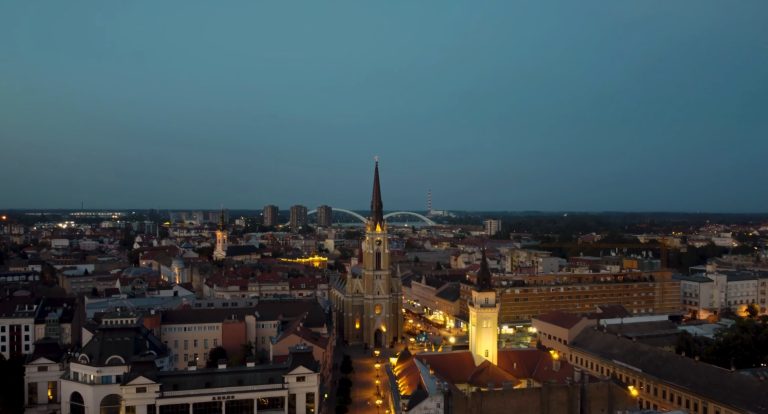
Novi Sad Old Town: How the City Center Actually Works When You Walk It
Novi Sad Old Town doesn’t behave the way most people expect.
You arrive, look around, and at first it feels… smaller than it should. A central square, a few streets, cafés, some color — and that’s it?
If you’re used to dense old cities — the kind where you can wander for hours without seeing the same place twice — this one feels different almost immediately.
And that’s where people misread it.
Because the Old Town here isn’t built to hold you.
It’s built to move you through.
Quick orientationNovi Sad Old Town is compact and walkable. Most visitors spend 1–2 hours here before naturally moving toward the bridge, Petrovaradin Fortress, and the Danube.
Why Novi Sad Old Town Feels Different From Other Old Towns
The difference isn’t just size. It’s structure.
In many cities, the old town pulls you inward — narrow streets, layered history, corners that keep unfolding.
Here, it does the opposite.

The streets open. The layout is readable. You don’t get lost unless you try to.
That makes it easier to navigate — but also easier to underestimate.
You don’t “explore” Novi Sad Old Town in the usual sense. You pass through it slowly, without needing to think too much about where you’re going.
And if you expect more complexity, it can feel like something is missing.
It isn’t.
It just works differently.
How Big the Old Town Actually Is
Smaller than you think.
You can walk across the main part of the Old Town in under 15 minutes without trying.
Even with stops, cafés, and slower pacing, most people spend between one and two hours here.
That’s not a limitation. It’s part of how the city is designed.
The Old Town isn’t meant to fill your day. It’s meant to start it.
If you try to turn the Old Town into a half-day activity on its own, it will feel empty. It works best as the beginning of a longer route through the city.
That’s why the experience doesn’t end here.
It continues — naturally — toward the river and beyond.
To see how this fits into the bigger picture, return to the main guide: things to do in Novi Sad.

How to Walk Novi Sad Old Town (The Route That Actually Works)
There isn’t a complicated way to explore the Old Town.
In fact, the more you try to plan it, the less natural it feels.
Most people end up following the same path — not because it’s marked, but because the streets quietly guide you through it.
Natural Old Town route
Freedom Square → Zmaj Jovina → Dunavska → exit toward the river
You don’t need a map for this. Once you start walking, the direction becomes obvious.
What matters is not where you go — but how quickly you move through it.
Start: Freedom Square
Everything begins here.
Freedom Square isn’t just the main point on the map — it’s where you get your first sense of the city. Open space, visible landmarks, people moving in different directions.
You don’t stay long. And you don’t need to.
This is where you orient yourself — not where you settle.
From here, the movement starts naturally.
Zmaj Jovina: The Street That Pulls You Forward
Once you leave the square, you don’t really choose the direction. The street does it for you.
Zmaj Jovina is one of those streets that works almost automatically. It’s wide enough to feel open, busy enough to feel active, but never overwhelming.
You walk without thinking about where to turn. Shops, cafés, people passing by — everything keeps you moving forward.
It doesn’t demand attention. It just carries you through the center.
And before you realize it, you’re already halfway through the Old Town.
The transition into Dunavska is subtle.
You don’t step into a completely different space. It just feels… quieter. Slightly less direct. A bit more relaxed.
This is usually where people slow down.
You notice more details. You stop more often. The sense of moving “through” the city starts to fade, and the walk becomes less structured.
But this is also where many people make a mistake.
Where Most People Turn Back (and Why You Shouldn’t)
At this point, it’s easy to feel like you’ve reached the end.
The Old Town has unfolded. The main streets are behind you. It feels like a natural place to stop, turn around, and go back toward the center.
A lot of visitors do exactly that.
And that’s where the experience breaks.
Because the Old Town isn’t meant to end here.
It’s meant to lead you further — toward the river, toward the bridge, toward the next part of the city.
If you turn back too early, you only see the surface. The connection never happens.
If you keep walking, even just a little further, everything starts to link together.
That’s the moment where the Old Town stops feeling like a small area — and starts feeling like part of something larger.
And that next step is the key.
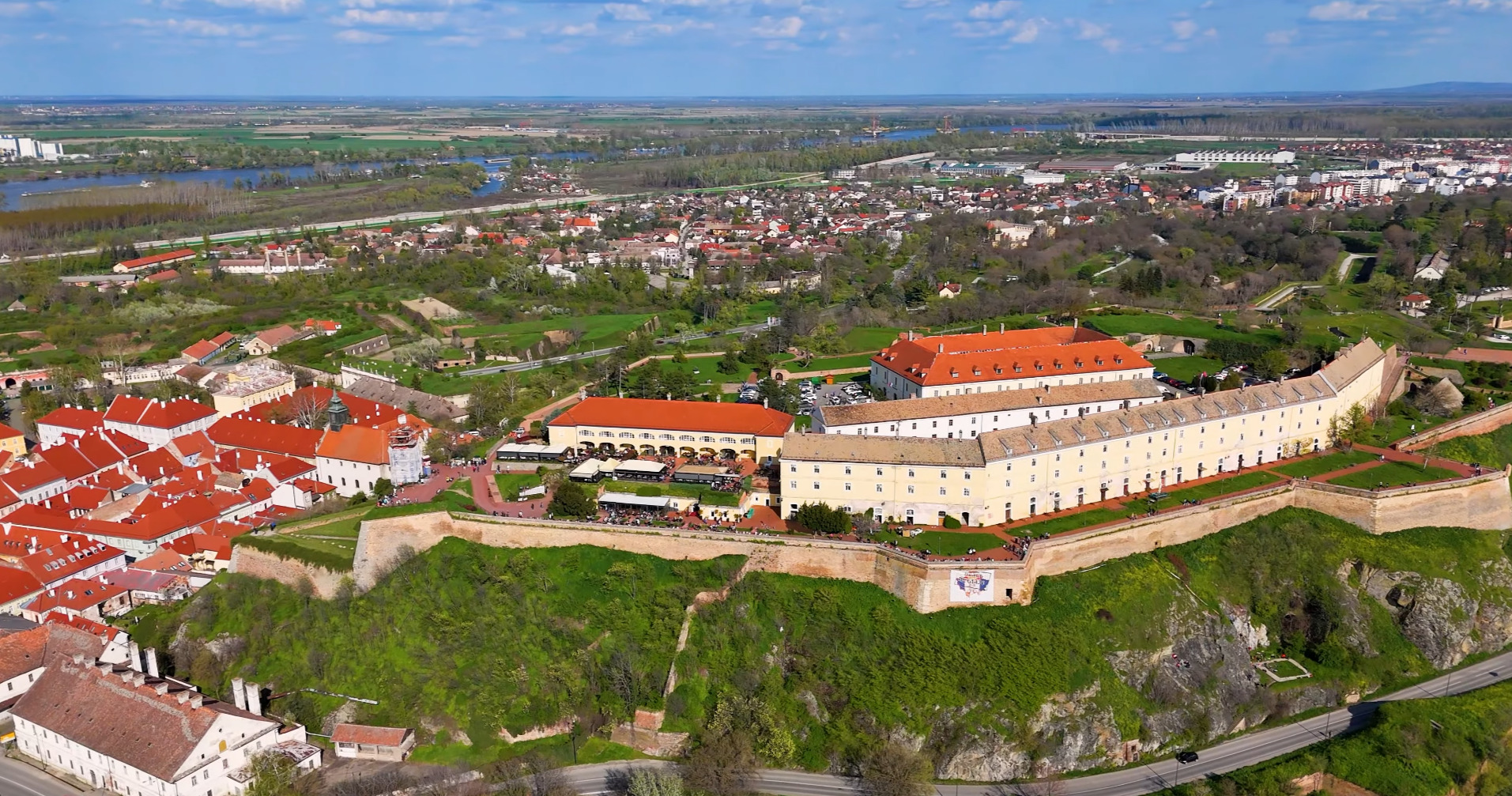
From here, the natural continuation is across the bridge and up to Petrovaradin Fortress.
What to Actually Do in Novi Sad Old Town (Without Overplanning)
If you try to turn the Old Town into a checklist, it falls apart quickly.
There simply aren’t enough “major stops” to fill your time in a structured way.
That’s not a problem — unless you treat it like one.
The Old Town works best when you stop thinking in terms of what to see and start thinking in terms of how to move.
Walk Without Fixing the Route Too Early
Even though the main path is obvious, it doesn’t need to be rigid.
Step into a side street if something catches your attention. Pause without a reason. Let the direction shift slightly.
You’ll still end up moving toward the same exit — just with a different rhythm.
Stop More Often Than You Think You Should
Because the area is small, there’s a tendency to keep moving.
But that’s exactly what flattens the experience.
A short stop — even without a clear purpose — changes how the whole walk feels. You notice more. You slow down. The city starts to settle instead of just passing by.
Don’t Try to Stretch It
This is one of the most common mistakes.
People feel like they should “get more” out of the Old Town, so they add extra stops, loop back, or try to turn it into something bigger than it is.
That rarely works.
The moment you force it, the simplicity disappears.
It’s better to accept the scale — and move on at the right time.
How the Old Town Actually Feels When You Walk It
At first, it feels almost too easy.

You expect more resistance — tighter streets, more turns, something to figure out.
Instead, everything is clear. Open. Predictable in a way that doesn’t demand effort.
Then, gradually, that becomes the point.
You stop checking where you are. You stop thinking about what’s next. The walk becomes less about direction and more about pace.
Some parts feel polished. Others don’t. That mix shows up quietly, without trying to impress you.
And before you really notice it, you’re already near the edge of the Old Town.
That’s the moment where most people expect something else to begin inside the same area.
But instead, the city shifts outward.
The next step isn’t deeper into the Old Town — it’s beyond it.
Old Town Areas at a Glance
| Area | What it feels like | Time needed |
|---|---|---|
| Freedom Square | Open, central, starting point | 10–15 minutes |
| Zmaj Jovina | Active, flowing, transitional | 20–30 minutes |
| Dunavska | Quieter, slower, less direct | 30–45 minutes |
These aren’t separate stops. They blend into each other.
You don’t really notice when one ends and the next begins — and that’s part of what makes the walk feel continuous rather than segmented.
How the Old Town Connects to the Rest of Novi Sad
The Old Town doesn’t work on its own.
That’s the part many people miss.
It feels like a complete area when you’re inside it — but it’s not meant to be the full experience. It’s the first layer.
Everything here points outward.
The streets guide you toward the edge. The movement carries you forward. And without realizing it, you’re already transitioning into the next part of the city.
That next step is what gives the Old Town its meaning.
Where the Old Town leads
Old Town → river → bridge → Petrovaradin Fortress
Once you leave the last streets behind, the space opens up.
The river appears properly. The city spreads out. And the fortress — which felt distant before — becomes the natural continuation.
If you stop before this transition, the experience feels incomplete.
If you follow it through, everything starts to connect.
That’s why the Old Town is less about what’s inside it — and more about where it takes you.
To understand what happens next, continue across the river into Petrovaradin Fortress.
What the Old Town Is — and What It Isn’t
It’s not a dense historic maze.
It’s not a place you get lost in for hours.
It’s not designed to overwhelm you with landmarks.
And it’s not meant to fill your day.
What it is instead is simple.
A clear starting point. A readable layout. A place where you ease into the city without effort.
It gives you just enough — and then moves you on.
That’s why it can feel underwhelming if you expect more from it alone.
And that’s why it works so well when you treat it as part of a larger route.
Novi Sad Old Town is not the destination. It’s the beginning of the experience.
Final Take: How to Approach the Old Town
Don’t try to extract too much from it.
Walk it once, slowly. Stop when it feels right. Don’t force extra time.
And most importantly — don’t end your day here.
The moment you feel like you’ve reached the edge, keep going.
That’s where the city actually starts to come together.
If you want to see how this fits into a full day, follow the complete route in things to do in Novi Sad.