Novi Sad Travel Cost: How Much You Actually Need
Money in Novi Sad doesn’t slip away that fast.
Think of it less as a cheap city, more as a place where your pace decides the price.
You notice it pretty quickly. You walk more than planned. You don’t pull out your wallet just to move around. No tickets, no constant “next stop.” You just keep going — street to street, coffee to river, back again.
Half the day passes like that.
And because of it, you stop tracking every small expense. It doesn’t feel like something you need to manage every hour.
Quick realityYou can spend very little here. You can also stretch your budget without noticing. It comes down to how your day unfolds, not fixed prices.
Three things quietly shape everything: where you sleep, how you eat, and how long you stay in places once you sit down.
| Style | Daily budget | What your day feels like |
|---|---|---|
| Light | €25–45 | Walking, bakery food, short stops |
| Balanced | €45–90 | Longer meals, cafés, slower pace |
| Relaxed | €90–150+ | Late evenings, drinks, taxis, comfort |
How money actually works in Novi Sad
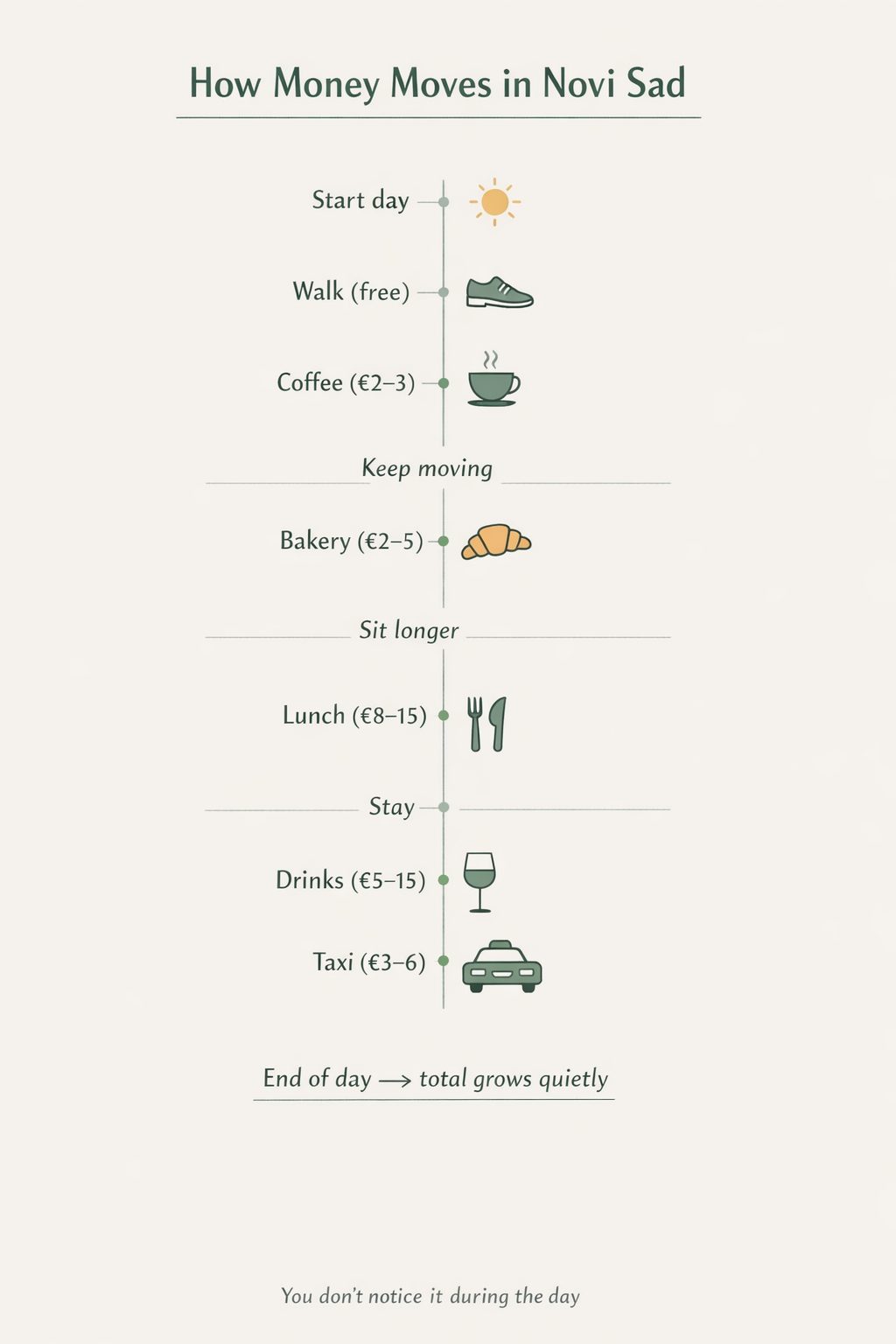
Trying to pin down one daily number doesn’t really land.
You see it when you compare days. One day you’re moving constantly — bakery, walk, river, quick lunch, done. Another day, you sit longer.
Same city. Different spend.
The parts of the trip that actually cost money
Once you look at it a bit closer, spending falls into a few clear areas.
What shapes your budget
These are the points where money actually moves.
Accommodation → your base
Food and coffee → your daily rhythm
Transport → almost nothing most of the time
Activities → occasional
Small extras → easy to miss
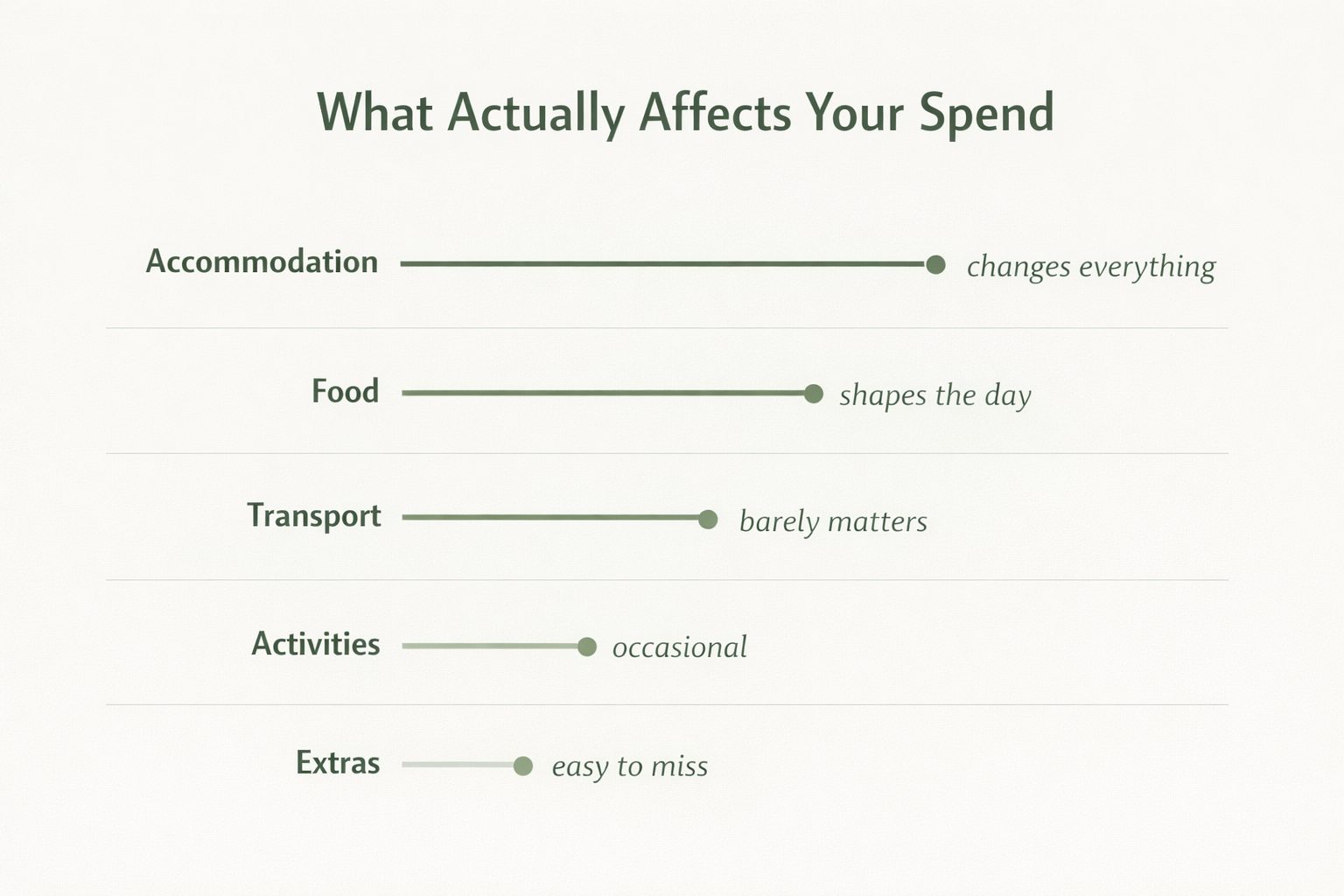
One of these shifts things more than the others.
Accommodation: the decision that changes everything
| Area | Typical price | What it changes |
|---|---|---|
| Old Town / Center | €40–90 | Everything walkable, no planning |
| Near Danube | €35–80 | Quiet, scenic, slightly longer walks |
| Outside center | €20–50 | Cheaper, but adds friction to the day |
This is where the numbers move the most.
You feel it on the first morning. Step outside, look around, decide where to go. If everything is close, you don’t think about it. If it’s not, you check directions again. Maybe hesitate a second before heading out.
It sounds small. It isn’t.
Places outside the center save money upfront. But they add small breaks into the day — returning takes longer, quick stops feel less quick, evenings need a bit more planning.
Key ideaYou’re not paying for access here. You’re paying to keep your day smooth — step out, walk, stop, come back without thinking twice.
Budget stays (€20–40)
At this level, it’s simple. Hostels, basic rooms, apartments that do the job.
You drop your bag, head out, and don’t come back until late. Works fine if the room is just a place to sleep.
You might check the map once or twice getting back. Nothing serious.
Mid-range stays (€40–80)
This is where things start to feel easy.
You step outside and you’re already where you need to be. No thinking about distance. No small decisions slowing you down.
You go out for coffee, end up staying longer, walk again, come back briefly, then head out again without planning it.
The day just flows.
Higher-end stays (€80–150+)
Now you’re paying for comfort more than location.
Better design, more space, maybe a proper hotel feel. It doesn’t change where you go, but mornings feel slower. Evenings feel a bit more settled.
Money logicOn short stays, paying a bit more to stay central often balances out — fewer small movements, fewer extra decisions, less friction during the day.
If you’re deciding between areas and trying to picture how they actually feel once you’re there, this connects naturally to Where to Stay in Novi Sad.
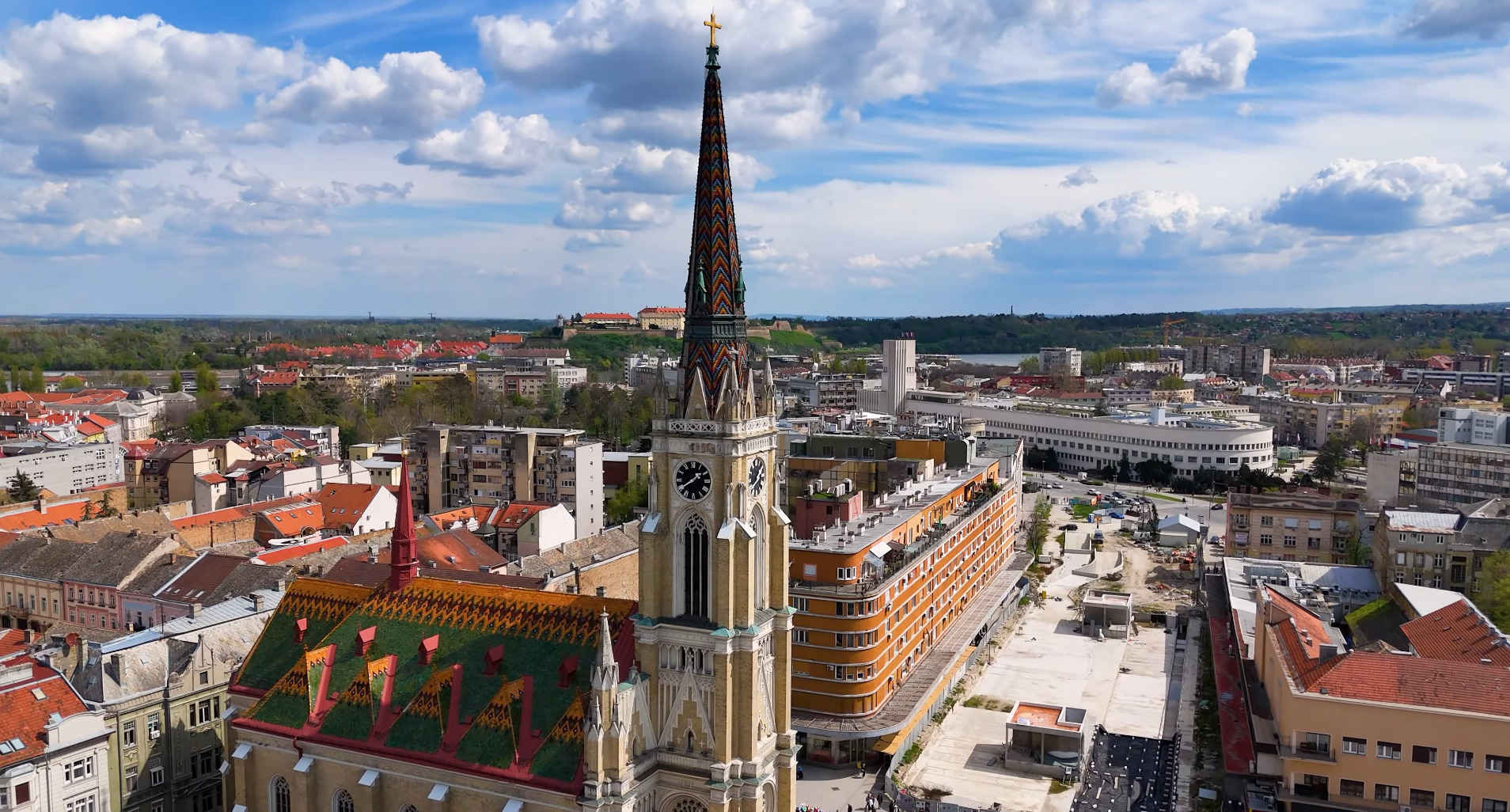
Food: the part of the budget you control the most
| Approach | Daily food cost | How it feels |
|---|---|---|
| Quick & local | €10–20 | Bakery, fast meals, no long stops |
| Mixed | €20–40 | One proper meal + cafés |
| Slow & social | €40–70+ | Long lunches, dinners, drinks |
Food shifts easily here.
One morning you grab something from a bakery, eat it while walking, keep going. Cheap, fast, barely noticeable in your budget.
Another day, you sit down “just for coffee,” open the menu, stay longer than planned. Then lunch stretches. Then you’re still there.
It builds like that.
What keeps food spending low
- starting with bakery food instead of a full breakfast
- keeping coffee stops short — or at least intending to
- making lunch the main meal instead of dinner
- eating where you are instead of walking across town for something specific
The shift happens when meals stop being just meals.
You sit a bit longer. Order one more thing. Stay because it feels good to stay.
And the evening stretches without you noticing the time.
Once you understand how meals fit into the day — when to keep them quick and when to slow down — the budget becomes easier to control. That’s where this connects naturally to What to Eat in Novi Sad.
What food actually costs once the day starts unfolding
It starts simple.
Coffee, maybe something from a bakery. You grab it quickly, eat standing or sitting for a minute, then move on without thinking much about it.
Later, it shifts.
You sit down somewhere for lunch. Not rushed. You look at the menu a bit longer than needed, maybe check one more place on your phone, then just stay where you are. Order something small… then maybe a drink too.
And suddenly food isn’t just fuel anymore. It stretches.
| Food type | Low spend | Typical range | Higher version |
|---|---|---|---|
| Breakfast | €2–4 | €3–6 | €8+ |
| Lunch | €5–8 | €8–12 | €15+ |
| Dinner | €8–12 | €12–25 | €30+ |
| Coffee | €1.5–2 | €2–3 | €4+ |
| Drinks | €2–3 | €3–6 | €8–12+ |
The numbers don’t hit all at once.
It’s how they stack. One coffee turns into two. You pass a bakery and stop without planning to. Lunch runs longer than expected. Then later, you sit again — not because you’re hungry, just because it feels right to.
You notice it at the end of the day more than during it.
Important patternSpending here builds quietly. Small stops, repeated. Nothing feels expensive on its own.
Transport: why it almost doesn’t matter
You walk. A lot.
Not as a plan — it just happens. Streets connect easily, distances don’t push back much, and after a while you stop checking how far things are.
Then occasionally you don’t feel like it.
You open a map, see it’s “only” 20 minutes, hesitate… and call a taxi anyway. It shows up fast. The ride is short. You barely register the cost.
| Transport type | Typical cost | How often you’ll use it |
|---|---|---|
| Walking | Free | Most of the day |
| Bus | ~€1 | Occasional |
| Taxi | ~€3–6 | Short rides, evenings |
It stays low almost without effort.
You might not even think about transport spending until later — because there’s not much to track.
Simple ruleIf you’re calling taxis all the time, something else is off — usually where you’re staying, not the transport itself.
Activities: where the city saves you money
When spending actually increasesCosts only really jump when you add something structured — a guided walk, a wine trip, or a planned experience outside the city.
That’s usually where Novi Sad shifts from a “walkable city” into a “planned day.”
You don’t line up for attractions here.
You walk through them.
The center, the fortress views, the river paths — you move through all of it without tickets or checkpoints. You might check opening hours for a museum, maybe even walk there… then decide not to go in.
And it doesn’t feel like you missed anything.
- The core of the city costs nothing — you just walk it.
- Paid places exist, but they’re small decisions, not anchors for the day.
- Costs rise only when you add something structured or planned ahead.
You don’t build the day around tickets.
You just leave space for them if they come up.
This part slips past you.
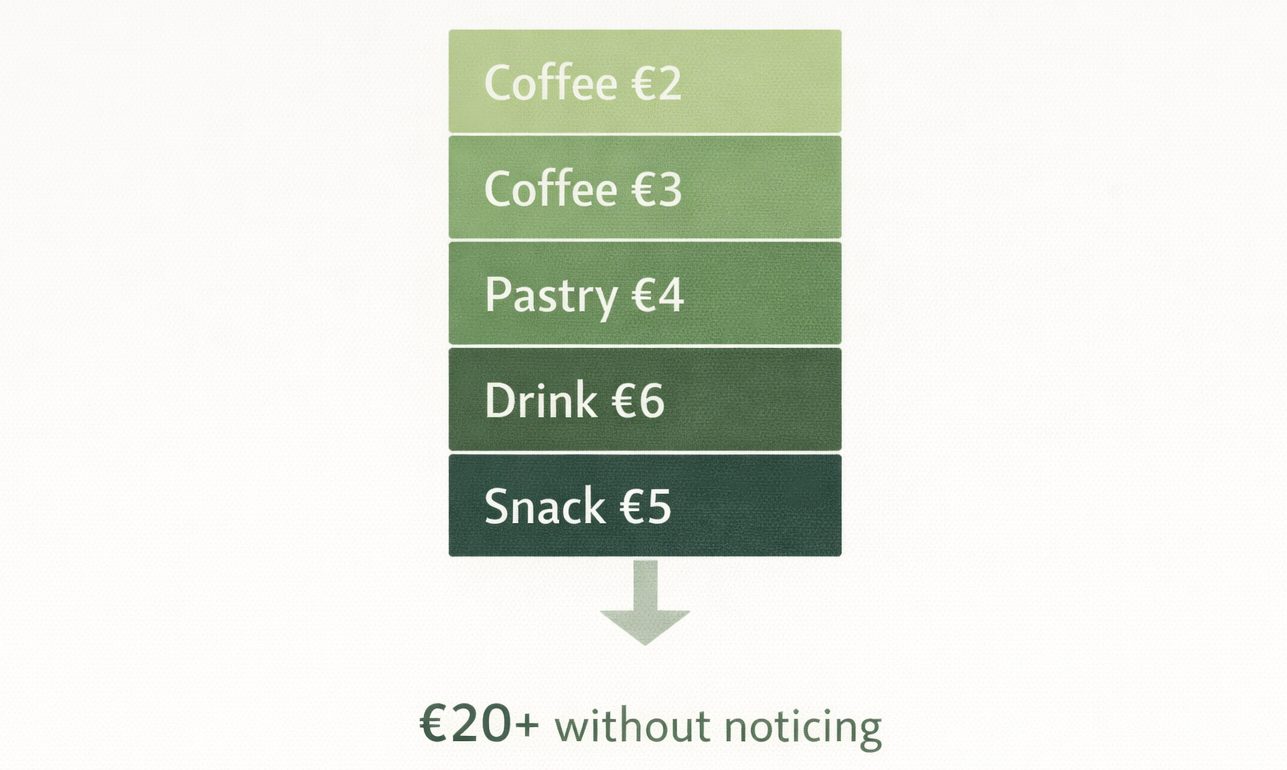
You grab coffee in the morning. Then another later, just because you sat down somewhere. A pastry appears somewhere in between — you didn’t plan it, it just looked good.
- Coffee in the morning
- Another coffee later
- A pastry you didn’t plan
- A drink in the evening
None of it feels like spending.
Until you think back on the day.
Usually, these extras land somewhere around €5–15 a day. Not fixed. Just… there.
What a day in Novi Sad actually costs
It makes more sense when you think in days, not categories.
How you move, how often you sit, how long you stay somewhere — that shapes everything.
| Day type | What it looks like | Total cost |
|---|---|---|
| Light day | Bakery breakfast, walking, coffee, simple meal | €20–40 |
| Balanced day | Lunch, dinner, café stops, relaxed pace | €40–80 |
| Experience-focused day | Long meals, drinks, taxis, slower rhythm | €80–150+ |
You feel the shift when the day slows down.
One long lunch instead of a quick stop. Sitting again later, not because you need to. Calling a taxi instead of walking back.
It adds up quietly.
How spending changes over a short trip
Most stays here are short. One, maybe two days. Sometimes three.
The pattern doesn’t change much — you just get more chances to repeat it.
| Trip length | Light budget | Comfortable | Higher spend |
|---|---|---|---|
| 1 day | €20–45 | €45–90 | €90–150+ |
| 2 days | €60–110 | €110–200 | €200–320+ |
| 3 days | €110–180 | €180–320 | €320–500+ |
Nothing suddenly jumps.
You just keep stopping. Sitting. Ordering one more thing without thinking too much about it.
Where people usually overspend
Novi Sad doesn’t really push you to spend.
It slips in quietly.
You grab a coffee, then another later without thinking. Sit down for dinner when you could’ve just picked something small. Order one more drink because you’re already there.
Nothing feels like a mistake.
But it stacks.
Common budget mistakes
- Paying for hotel breakfast, then realizing the bakery next door smells better and costs less
- Staying slightly outside the center, then calling a taxi more often than planned
- Turning every dinner into a full sit-down meal, even when you’re not that hungry
- Using taxis for distances you could’ve walked in ten minutes
- Not noticing how coffee, drinks, and quick stops quietly add up
Each one feels small on its own.
Two days later, you check what you’ve spent and pause for a second.
Where it makes sense to spend more
Trying to cut everything down doesn’t really work here.
You end up moving more, thinking more, adjusting more. It gets tiring in a way that’s hard to explain until you’re in it.
A few well-placed decisions change that.
Spending that actually improves the trip
- Staying close to the center so you don’t keep checking directions or planning your way back
- Picking one or two meals you actually sit down for instead of grazing all day
- Letting the evening stretch a bit instead of rushing between places
- Taking a taxi when it saves time at the right moment
These don’t push the budget up that much.
They smooth things out.
Where you can safely spend less
Some parts are easy to scale down without losing anything.
- Breakfast — you grab something from a bakery, eat it on a bench or while walking
- Transport — you walk more than you expected anyway
- Activities — a lot of what you end up liking doesn’t cost anything
You don’t feel like you’re cutting corners.
It just works out that way.
What Novi Sad gives good value for
It’s not just that prices are lower than in bigger European cities.
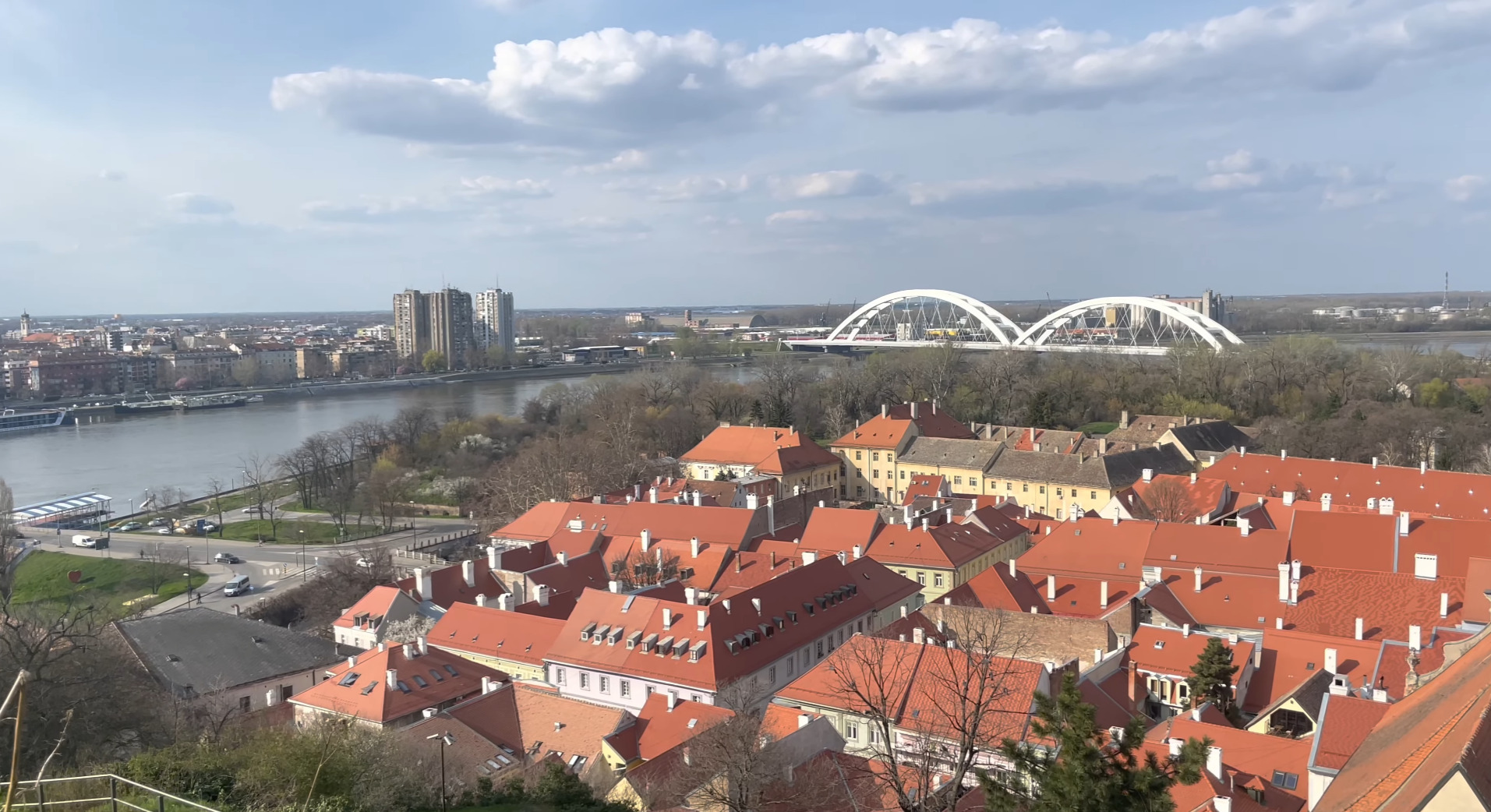
It’s how little stands between you and the experience.
You walk into places instead of paying to enter them. You move through the city without thinking about tickets or transport. Hours pass without pulling out your wallet.
You notice it only later.
Where the value actually comes from
Walkable center → you stop thinking about transport
Open viewpoints → fortress, river, wide spaces
Flexible food → quick, cheap, or slower without extremes
Low entry costs → very little forces you to pay to continue
How much money you actually need
At some point, it comes down to a simple number.
Not everything itemized. Just a rough sense of the day.
| Travel style | Daily budget | What it feels like |
|---|---|---|
| Light budget | €25–45 | Simple, a lot of walking, quick meals |
| Comfortable | €50–90 | Easy balance, proper meals, less thinking |
| Relaxed / experience-focused | €90–150+ | Slower pace, better stays, longer evenings |
Somewhere in the middle feels right for most trips.
You’re not holding back, but you’re also not turning every moment into a spend.
So, is Novi Sad an expensive city to visit?
Not really.
But it’s not one of those places where you stop thinking about money entirely either.
You won’t feel pressure to spend here. But you’ll notice how easily a relaxed day turns into a slightly more expensive one.
You stay relaxed, but your choices still shape the total more than you expect.
How to think about your budget before you go
- Decide your pace first — fast, balanced, or slow. The numbers follow that.
- Pick your accommodation carefully. It affects everything else more than it seems.
- Let food happen naturally instead of planning every meal ahead.
- Leave some space in the plan. The city works better when you don’t lock it down too tightly.