What to Eat in Novi Sad: How Food in the City Actually Works
Novi Sad doesn’t hit you with food the second you arrive.
You don’t step into some dense market maze. No one is pushing you toward five “must-try” dishes before you’ve even figured out the center. The city is quieter than that. A bit more restrained. Food matters here, but it settles into the day instead of jumping out at you.
You notice it in pieces.
A bakery in the morning when you meant to just get coffee. Coffee that turns into sitting longer than planned. Something quick in the middle of the day because you’re halfway back from the fortress and don’t want to stop too long. Then later, when your legs are a little done and the evening starts stretching out, the proper meal finally makes sense.
Food in Novi Sad is usually filling, direct, meat-heavy, simple, and better than it first sounds. This is not a city built around constant food discovery.
What works here is rhythm: coffee, bakery, walking, pauses, then a heavier meal once the day slows down properly.
Food in Novi Sad at a Glance
| Food Layer | What It Looks Like | Best Time | What to Expect |
|---|---|---|---|
| Bakery food | Burek, pastry, quick breakfast | Morning | Cheap, fast, filling |
| Café culture | Coffee, terraces, slow pace | Morning / afternoon | More about sitting than rushing |
| Main local dishes | Ćevapi, pljeskavica, grilled meat, stews | Lunch / dinner | Heavy, direct, satisfying |
| Riverside dining | Atmosphere restaurants, longer meals | Evening | More about setting and pace |
How Food in Novi Sad Actually Works
They write as if you should spend the whole day chasing dishes from one place to the next. Novi Sad doesn’t really invite that. The food scene makes more sense once you stop treating it like a hunt and start watching how eating fits into the city itself.

The food rhythm of a day in Novi Sad
Morning → coffee and bakery
Midday → light meal or practical stop
Evening → the real meal, usually longer and heavier

Morning starts lightly, even when the food isn’t really light at all. Coffee matters. Bakeries matter. The center wakes up slowly, terraces start filling one table at a time, and breakfast rarely feels like an event you have to organize.
You just end up doing it.
Maybe you planned to walk first and eat later. Then you pass a bakery, catch that warm pastry smell, glance inside, and that plan is gone. Five minutes later you’re standing with something hot in paper, trying not to drop flakes all over yourself.
It never really goes the way you expect. You tell yourself you’ll just grab something quick and keep moving, and then suddenly you’re standing there longer than planned, eating too fast because it’s hot, wiping your hands on a napkin that’s already useless, looking around like you might sit — and sometimes you do, even if that wasn’t the plan five minutes ago.
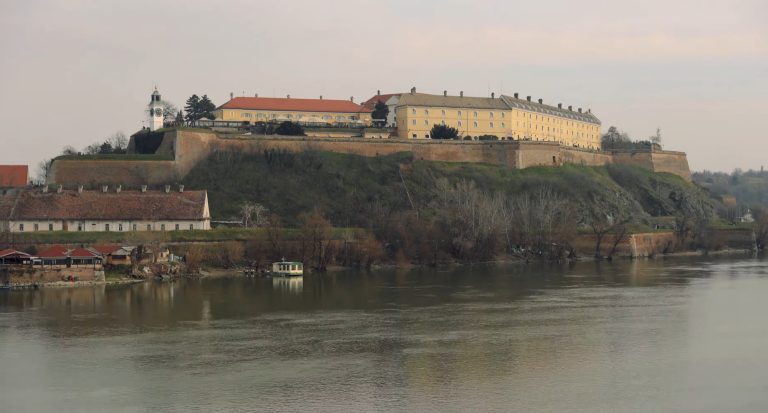
Midday is different. Food turns practical. You eat because you’re already out, already moving, maybe crossing toward Petrovaradin Fortress or drifting back from the Danube. Lunch can be good, properly good, but it often feels like part of the route rather than the main point of the day.
Dinner is when things finally settle.
That’s the moment when the city softens and the meal gets heavier. You stop checking directions. You stop thinking about what comes next. Bread lands on the table, grilled meat shows up, maybe wine, maybe beer, maybe just something simple that feels better because you’re not squeezing it into a schedule anymore.
If you treat Novi Sad like a checklist food destination, it can feel limited pretty fast. If you let food follow the city’s pace, it starts making a lot more sense.
That’s also why some visitors leave a little underwhelmed.
They expect obvious signature dishes everywhere, or endless variety from one block to the next, and what they get is a place that keeps circling back to a few things it does well: bakeries, grilled food, coffee, slower evenings, solid portions, low-stress meals.
Not flashy.
Just steady. And honestly, that suits the city.
What to Eat First: The Core Foods
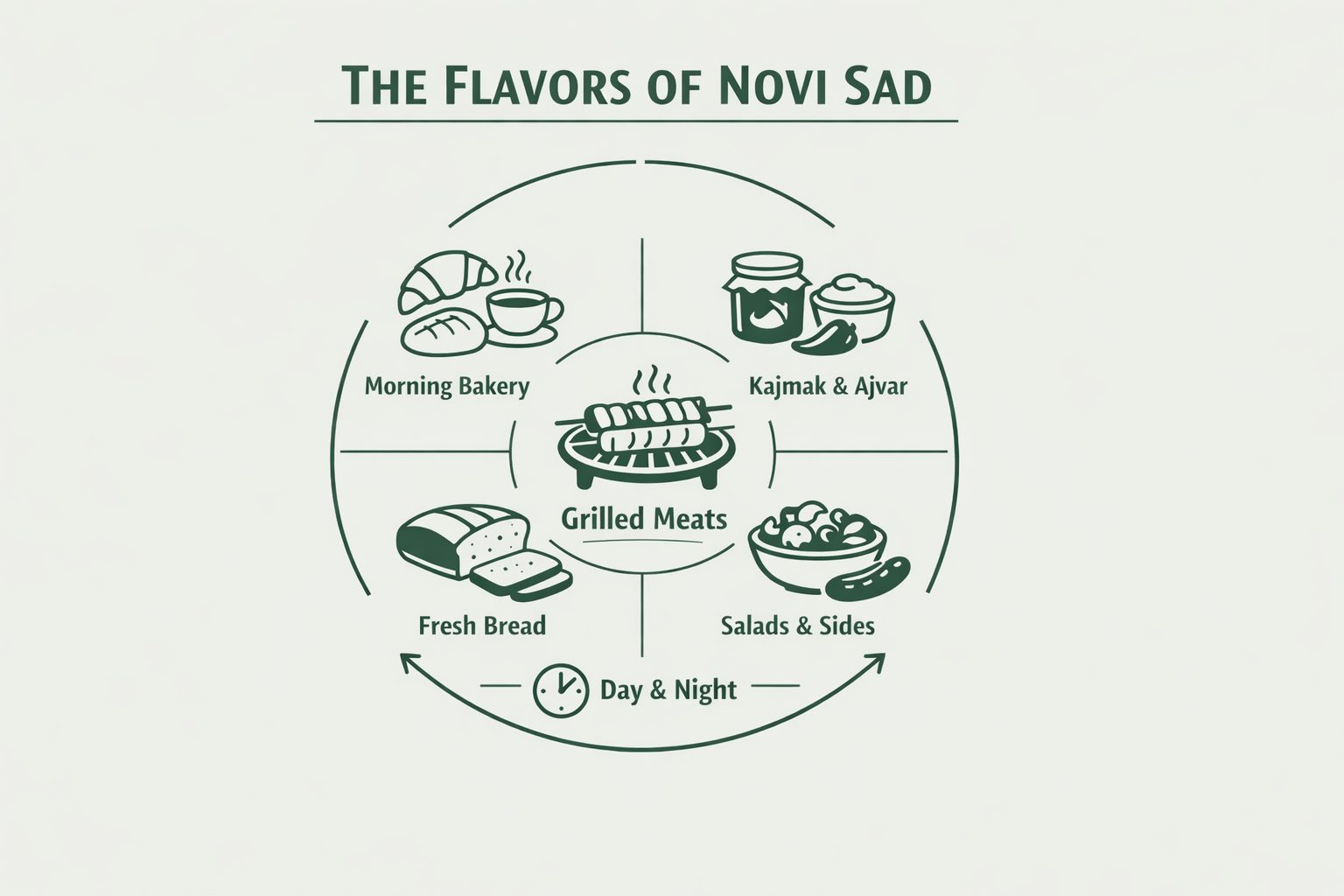
You don’t really think about it once it lands.
It’s not delicate. Not really designed to impress you with complexity either. It lands fast. Warm bread, smoke from the grill, dairy, salt, weight.
Straight to the point.
Grilled Meat: The Center of the Food Experience
Main dishes to know
- Ćevapi — small grilled minced meat pieces, usually served with flatbread and chopped onion
- Pljeskavica — a large grilled meat patty, often described as a Balkan-style burger, though that doesn’t really capture how substantial it can be
- Karađorđeva schnitzel — breaded meat stuffed with kajmak, richer and heavier than it sounds at first
- Stews / goulash-style dishes — slower, denser meals with a more inland, regional feel
This is the center of food in Novi Sad.
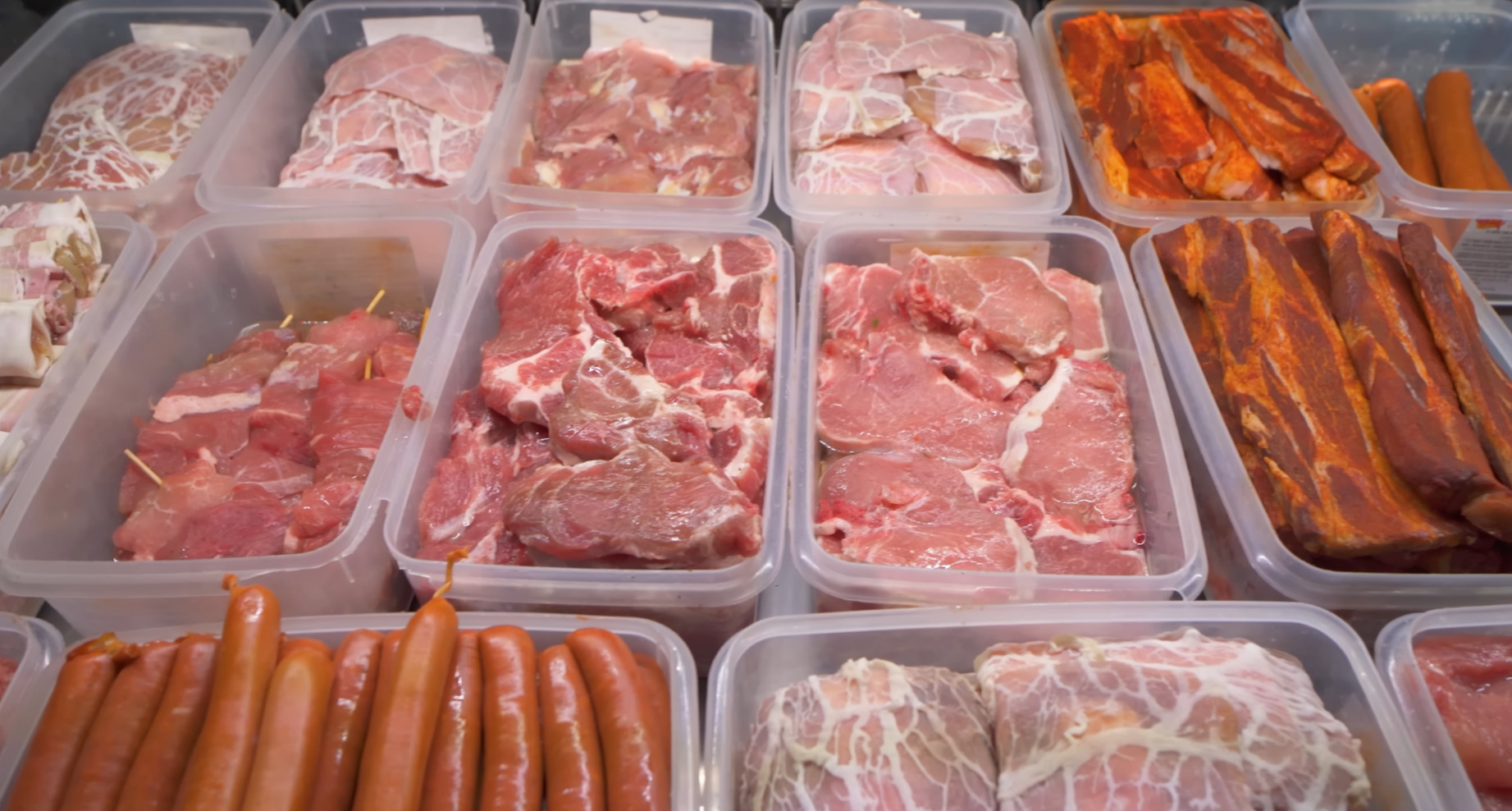
Not because every meal has to be meat. It’s more that this is the language the city speaks most naturally. You see it across menus again and again. Half the time you smell the grill before you’ve even looked at the board outside.
After a while, you notice how often the same basic structure comes back: grilled meat, bread, onion, kajmak, maybe ajvar, maybe fries, maybe a salad there mostly to keep things from feeling too heavy.
It can sound repetitive.
Sometimes, yes.
Still, when it’s done well, that directness is exactly what makes it work. You sit down hungry, order something simple, and it lands properly. No decoding needed.
These meals usually make more sense later in the day. They sit better when you’re ready to stop for a while, not when you’re halfway through a walking route and still thinking about the next stop.
Bakery Food: What People Actually Eat Early
If grilled meat is the backbone, bakeries are the everyday surface of food in Novi Sad.
You see them early. You use them early. And if you’re walking around in the morning, there’s a decent chance this is how the day starts without much planning.
- Coffee first, or coffee alongside something small
- Bakery stop — usually burek or another savory pastry
- Either sit briefly or keep moving through the center
Burek matters here.
Not because it belongs only to Novi Sad. It doesn’t. It matters because it fits the city perfectly: hot, cheap, filling, fast, and easy to eat before the day has fully started. Meat or cheese are the obvious starting points, and neither is subtle.
You feel it right away.
I’ve had mornings there where the plan was just coffee, then suddenly it became coffee and burek because the tray behind the glass looked too good to ignore. You take one bite, realize it’s hotter than expected, stand there awkwardly for a second, then keep going anyway.
It sounds small. It isn’t really.
That flaky, slightly greasy breakfast — plus coffee that lasts longer than it should on a terrace — tells you something real about how the city moves.
The Extras That Keep Showing Up
Some of the most important flavors here are not the main dish itself.
They’re the things around it. Spread across bread. Added on the side. Dropped onto the plate like they’re secondary, even though they change the whole meal.
- Kajmak — a rich, creamy dairy spread that makes heavy dishes feel even richer
- Ajvar — a roasted red pepper spread that cuts through grilled meat beautifully
- Local cheese and simple side dishes — not dramatic on their own, but they shape the plate more than you expect
These are easy to miss when you’re scanning a menu too quickly.
Don’t rush past them.
A plate without them can feel a little flat. Add ajvar, add kajmak, tear some bread, and suddenly the whole thing makes more sense. You notice it after the first few meals.
Sometimes the thing you remember isn’t even the main dish. It’s the bite that came together properly after you adjusted it yourself.
Where You Actually Eat in Novi Sad
Food in Novi Sad changes with the part of town you’re in.
Not in some huge way. You’ll see the same kinds of dishes more than once. But the meal lands differently. A bakery stop near the center feels one way. Sitting by the Danube for dinner feels like a completely different day, even if there’s overlap on the menu.
You notice that pretty quickly.
Old Town: Easy, Central, Always Within Reach
A lot of meals happen here almost by accident.
You’re already in the center. Walking, stopping, checking a side street, cutting back through the square because it looked faster. Cafés are right there. Bakeries too. You don’t really commit to anything — you just sit when it feels right.
What the Old Town is best for
- Coffee that turns into a longer pause
- Bakery stops in the morning
- Casual lunches that don’t interrupt the day
Meals in the Old Town usually happen in between things.
You grab something, sit for a bit, look at the street longer than planned, then get up and keep moving. Even lunch can feel more like a pause than an event.
That’s why the center works so well earlier in the day.
It asks very little from you.
Danube Side: Where the Meal Starts to Matter More
Then you head toward the river and the pace changes almost immediately.
Tables spread out. People stay put longer. You walk a little slower without meaning to. Even choosing where to sit takes more time, because now the view starts mattering too.
You’re not just eating anymore. You’re settling in.
This part of the city makes more sense later in the day.
After walking through the center, maybe crossing over, maybe spending longer at Petrovaradin than you meant to, ending near the water feels easy. You sit down and don’t really want to move again.
For places where the setting plays as big a role as the food itself, see /danube-restaurants.
Local-Style Spots Outside the Center
Once you drift away from the main streets, things get more direct.
Less polished. Fewer carefully arranged terraces. Bigger portions, more grilled meat, less presentation, stronger neighborhood feel. Sometimes it’s better. Sometimes it’s just simpler — and that can be exactly what you want.
Still, there’s a bit of friction.
You need to know where you’re going. Or just decide not to care too much and walk until something looks right. That works too, though not always on the first try.
These places don’t always slot neatly into the route people usually take through Novi Sad.
In Novi Sad, the right meal at the right point in the day usually matters more than chasing one famous spot across town.
What a Food Day in Novi Sad Actually Looks Like
If you strip the day down, the rhythm is pretty simple.
Not rigid. Just familiar once you’ve been out for a few hours.
- Morning: coffee and something from a bakery — quick, filling, not overthought
- Late morning / afternoon: a light meal or a casual stop while moving through the city
- Evening: a proper sit-down meal, often heavier, often longer
The mistake is trying to make every one of those feel memorable.
You really don’t need three standout meals in one day here.
One good one is enough.
Usually dinner. Maybe lunch, if you started late. Everything else kind of supports the shape of the day.
Once you settle into that, searching gets easier.
You stop opening maps every forty minutes. You just eat when the day opens up a space for it.
What to Try — And What Not to Force
This part can line up nicely. Or feel slightly off if you arrive with the wrong idea.
What’s Worth Trying
- A proper grilled meat meal when you’re ready to sit down
- Burek in the morning, ideally without overthinking it
- Kajmak or ajvar alongside something simple
- At least one slower café stop where nothing really happens
None of it is complicated.
And that’s part of why it works.
You order something that sounds familiar, add one or two things on the side, then realize halfway through that this was exactly the right call.
What People Often Misread
Where expectations can go off
- Expecting a wide variety of completely different dishes
- Looking for constant “must-try” moments throughout the day
- Trying to turn every meal into a highlight
After two or three meals, you start seeing the pattern.
Different names sometimes. Similar base notes. Meat, bread, dairy, something sharp or creamy on the side, portions that feel a bit bigger than they looked on the menu.
If you keep looking for constant novelty, it can feel narrower than expected.
If you let the repetition settle in a little, it starts to feel more like the city has its own food rhythm and just sticks to it.
And honestly, by day two, you stop trying to decode it. You just order what fits the moment and move on.
How Expensive Is Food in Novi Sad?
Food ends up being the easy part.
You don’t really plan around it. You just… eat when it makes sense. And somehow it never feels like a big decision.
What shifts the total isn’t the price on the menu. It’s how long you stay once you sit down.
| Type | Typical Price | What That Usually Means |
|---|---|---|
| Coffee | €1.5 – €3 | Terrace café, standard order |
| Burek / bakery breakfast | €2 – €4 | Cheap, filling start |
| Casual grilled meal | €5 – €10 | Simple lunch or fast dinner |
| Sit-down dinner | €10 – €20 | Full meal, larger portions |
| Dinner with wine | €20 – €40 | Longer evening experience |
You notice it pretty quickly.
You order a coffee, sit down “for a few minutes,” check your phone once — and then an hour passes without much happening. Maybe you add something small. Maybe not. Either way, the bill barely moves.
Later, dinner stretches the same way.
You think you’re done. Then someone suggests dessert. Or another glass. You stay.
That’s where it grows a bit.
You don’t need to manage every meal. The bigger shift happens when a quick stop turns into a long sit without you planning it.
For a broader breakdown of daily costs beyond food, see /cost.

What to Expect From the Food Scene — Honestly
There are two versions of eating here.
One feels easy, almost comforting. The other starts to blur together after a while.
Both show up.
It’s reliable. Filling. You walk a few blocks, find something decent, sit down without thinking too much about it. Prices stay reasonable, portions don’t surprise you.
After a couple of days, meals start to look familiar. Similar plates, similar layouts, similar pacing. You notice it somewhere around your third or fourth sit-down.
The shift happens quietly.
At first you try to pick something different. Then you stop trying so hard. You just order what fits the moment.
And it works better like that.
How to Eat Well in Novi Sad Without Overthinking It
You don’t need a list saved on your phone.
You need a loose rhythm.
Simple food strategy
- Start with coffee and a bakery — keep it light
- Eat when you feel it, not at a fixed time
- Leave the main meal for later, when you’re done moving
- Head toward the river when you want to sit longer
It usually falls into place.
You walk, get a bit hungry, stop somewhere without overthinking. Sometimes it’s better than expected. Sometimes it’s just fine.
You keep moving anyway.
By the second day, you stop checking reviews so much.
You just walk in.
Final Thoughts: What to Eat in Novi Sad
Food here doesn’t try to pull focus.
It sits in the background of your day.
Coffee early. Something quick in between. A longer meal once you slow down.
You repeat it without noticing.
Simple final logic
Morning → coffee and bakery
Day → casual stop or flexible meal
Evening → sit down, slow down, eat properly
Some days, you don’t want to figure this out yourself. You just want someone to walk you through it once — a few stops, something local, no overthinking.
Food Experiences That Fit This Rhythm
| Type | Duration | What It Feels Like | Best For |
|---|---|---|---|
| Food walking tour | 2–3 hours | Several stops, local dishes, easy flow | First day in the city |
| Café & bakery route | 1.5–2 hours | Slow morning, coffee + pastries | Relaxed start |
| Evening dinner experience | 2–4 hours | Long meal, wine, slower pace | End of the day |
If you want places where the setting matters as much as what’s on the plate, continue to /danube-restaurants.
And if you’re putting the full budget together, including food, see /cost.