

Petrovaradin Fortress: What It’s Actually Like and How to Visit It
You see it before you go there.
From the center of Novi Sad, it just sits across the river — elevated, stretched out, always there in the background. Sometimes it looks closer than it actually is.
You glance at it a few times without thinking. Then at some point, you realize… you’re going there next.
It looks heavy from afar. Solid. Like something you’ll have to “do properly.”
Then you walk to it — and that expectation quietly disappears somewhere on the bridge.
It’s calmer than it looks. More space than structure. You don’t get pulled into it. You just… end up moving through it.
What to know upfrontPetrovaradin Fortress doesn’t give you a fixed route. No obvious starting point. No sequence you’re supposed to follow.
You arrive, pick a direction without thinking too much — and it starts to make sense as you go.
Where Petrovaradin Fortress Sits — And Why That Matters
The fortress isn’t inside Novi Sad.
It faces it. Almost like a separate piece placed just across the water.
That changes the feel immediately.
You don’t move between attractions anymore. You leave one side of the city and step into something that doesn’t quite behave like the rest of it.
How the city connects to the fortress
Old Town → central square → pedestrian streets → Varadin Bridge → Petrovaradin Fortress
The walk there matters more than you expect.
You leave the tight, easy center — pass through streets that slowly open up — and then you’re on the bridge with the river stretching out on both sides.
You might stop halfway. Not really planned. Just to look back for a second.
Then forward again. The fortress feels closer now.
By the time you reach the other side, something has already shifted.
How to Get to Petrovaradin Fortress
There are a few ways to get there.
But if you’re already in the center, you’ll probably end up walking without even deciding it.

Walking (the main way)
- Start in the Old Town (Freedom Square area)
- Move toward the river through pedestrian streets
- Cross Varadin Bridge
- Follow the slow uphill path into the fortress
It doesn’t feel like going somewhere new.
You just keep moving in the same direction. No clear “arrival” moment.
At some point, you check your map — just to confirm — then put it away again.
The incline shows up gradually. Not steep, just enough to notice.
Then walls start appearing beside you. Stone, uneven, slightly worn.
And that’s it. You’re already inside without really marking the moment.
Taxi or bus (rarely needed)
You can take a taxi or a bus up.
It gets you there faster. But it skips something you’ll probably miss later.
Arriving directly feels… flatter. Like you jumped ahead in the sequence.
Better approachLet it unfold as part of your walk. The fortress makes more sense that way.
First Impression: It Feels Different Than Expected
You step in — and nothing really tells you what to do next.

No main path pulling you forward. No obvious starting point.
Just space. Open sections, low walls, paths splitting off without explanation.
For a minute, it feels unclear.
You slow down. Look around. Maybe turn left, then change your mind and go the other way.
It’s not confusion exactly. Just… no instructions.
And then something settles.
You stop trying to “figure it out.”
You walk where it feels right. Up a ramp. Along a wall. Through a passage that looks like it might lead somewhere.
Sometimes it does. Sometimes it just loops you back.
That shift happens quietly.
One minute you’re looking for direction. Next minute, you’re just… there, moving through it without thinking about it anymore.
What You Actually Do at Petrovaradin Fortress
You don’t show up here with a plan. Or you might think you do — and then it fades somewhere near the bridge.
Nothing pulls you forward in a straight line. No arrows, no clear “start here.” You walk a bit, turn without thinking, notice a path climbing slightly and take it. Then another. It keeps shifting.
At some point you stop trying to map it.
It doesn’t feel like visiting a place. More like settling into it.
Start With the Climb — But Don’t Rush It
Right after the bridge, the ground starts lifting. You feel it in your legs before you really notice it.
It’s not a hard climb. Just steady. Enough to separate you from the city behind you.

There are side paths almost immediately. Some look faster. Some look like they lead nowhere. You check your phone once… maybe twice… then give up and just follow the wall.
You end up higher anyway.
Small detail that changes the experienceIf you slow down early, things start to line up on their own. Rush it — and it feels oddly flat at the top.
The Upper Level — Where Everything Opens
You don’t really notice when you reach it. The space just… stretches.
One moment you’re between walls, next moment — open sky, the river, the city laid out like it’s been waiting there.
What you get from the top
- Full view over Novi Sad
- Danube stretching across the frame
- Bridge connecting both sides
- Open sky — wider than it felt below
You stop walking for a second.
Down there, everything felt contained. Streets, blocks, movement. Up here — it loosens. Spreads out.
You notice how compact the city actually is. Almost unexpectedly small.
The Clock Tower — The Only “Anchor Point”
There’s one spot you drift toward without deciding to.
The clock tower.
Not because it’s packed with meaning. It just sits right where everything lines up — the view, the paths, the open space.
You’ll pass it. Then circle back. Then end up there again without noticing.
People slow down here. Longer pauses. Fewer photos after a while.
Moving Through the Fortress
After that, it gets loose again.
Courtyards open and close. Paths dip slightly, then rise again. You take one, then double back because it felt too quiet. Or too empty. Or just… not it.
There’s no direction telling you what matters.
And yeah — that throws some people off.
Important expectationThis isn’t a route you follow. If you keep waiting for a “next stop,” you’ll feel like you missed something.
But if you stop chasing that — it shifts.
You start noticing smaller things:
- how the walls angle in unexpected ways
- little openings that suddenly frame the river
- quiet pockets where nobody walks
- light hitting the stone differently every few steps
Nothing dramatic. Still — it stays with you.
The Tunnels (Optional Layer)
Underneath everything, there’s a whole other level. Kilometers of tunnels.
You won’t just stumble into them. It’s controlled, guided. You have to plan it a bit.
Some people love that part. Others skip it without feeling like they missed anything.
Up top already feels complete.
What Most People Don’t Expect
From the city, the fortress looks massive.
Inside, it breathes.
There’s space between things. Air moving through it. Gaps where nothing happens.
Sometimes you walk for a minute and hear almost nothing.
It can feel slightly empty. Not in a bad way — just… open.
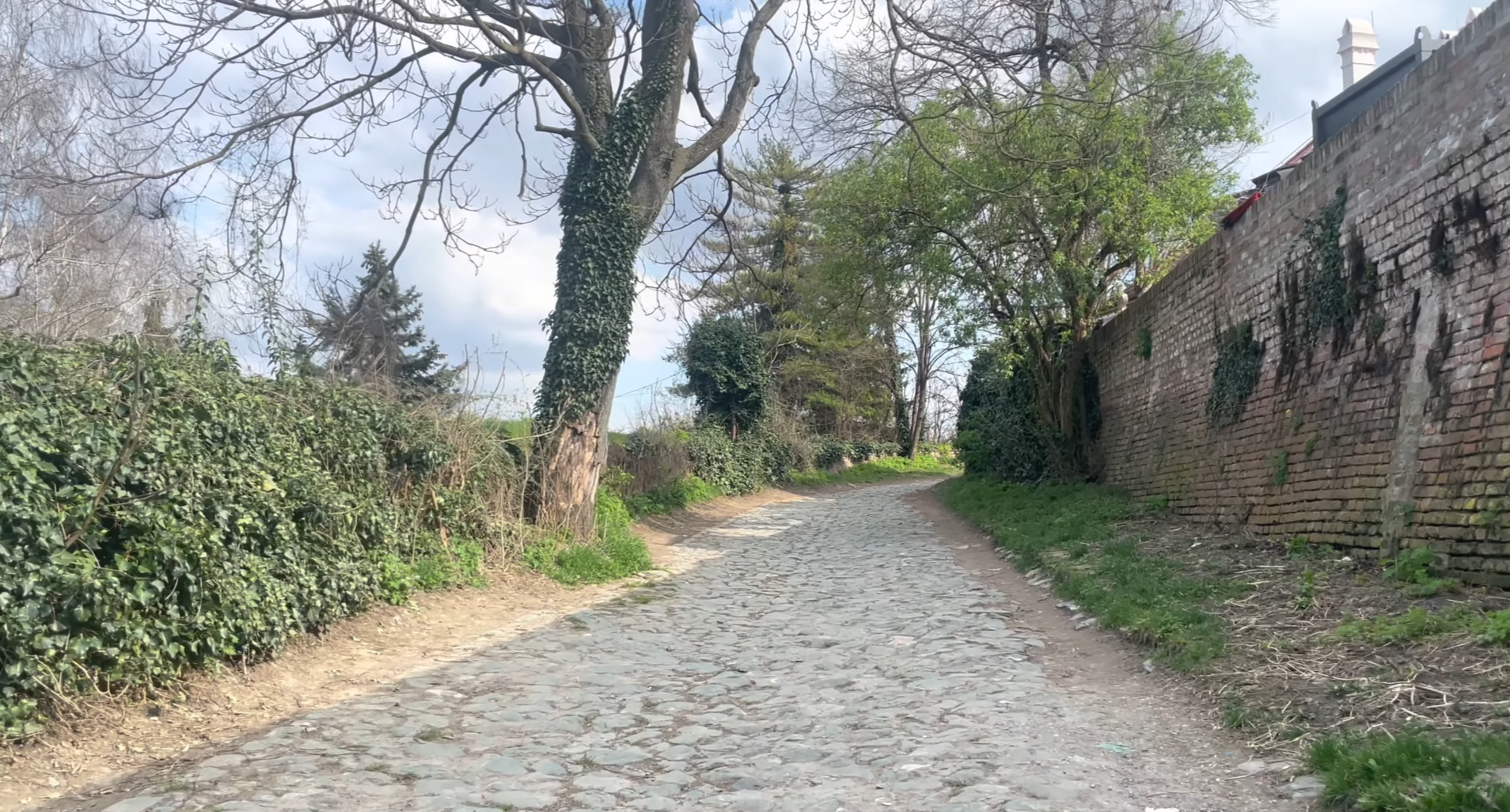
Good way to approach itDon’t try to cover everything. Walk, pause, drift for about an hour — then leave before it starts repeating itself.
If you try to turn it into a checklist, it slips away.
If you let it be a pause — it fits.
How Much Time Do You Need at Petrovaradin Fortress?
Shorter than it looks.
But not just a photo stop either. You’ll linger a bit — without really deciding to.
Realistic timing
- Quick visit: 30–45 minutes
- Comfortable visit: 1–1.5 hours
- Slow pace: up to 2 hours
You’ll probably land somewhere in the middle.
It usually starts with the climb. You check the map once, maybe twice — then stop bothering. The path just pulls you up. At the top, you walk toward the edge almost automatically. The view catches you before anything else does.
Then you drift. No clear route. A few turns, a short corridor, back into open space again.
At some point, you stop looking for anything specific.
And that’s when it feels… done.
What to expectStaying longer doesn’t unlock something hidden. It just stretches the same feeling — slower steps, longer pauses, another loop you didn’t plan.
Best Time to Visit
Timing changes the mood more than anything inside the fortress itself.
Late afternoon and sunset (best option)
Everything settles a bit.
The light drops, the Danube picks up color, and the city across the river starts to look sharper. You notice more details without trying. People sit longer. Conversations stretch out. No one seems in a rush to leave.
You might check the time here — and realize you’ve been standing in the same spot longer than expected.
Why sunset works
- Soft light over Novi Sad and the Danube
- Walls lose that harsh midday glare
- Quieter, slower energy
- A natural pause before evening
Morning
Almost empty in places.
You hear your own footsteps more. A few locals passing through, someone walking a dog, maybe a cyclist cutting across. It feels open, but a bit flat visually. The city below doesn’t pull your attention the same way.
Midday
Feels exposed.
You end up squinting a lot. Looking for shade that isn’t really there. The same open layout that works later in the day turns a bit sharp under direct sun.
Simple timing strategyWalk the city first, cross over without rushing, reach the fortress late in the day — then keep moving toward the river.
What to Do After the Fortress
This part sneaks up on you.
You don’t really turn back right away.
Instead, you start heading down almost without thinking about it.
Natural continuation
Fortress → descent → Danube riverside → walk along the river
The shift hits halfway down.
Up there — space, height, wind. Then suddenly it flattens out. Trees, paths, people sitting near the water. The movement changes. Slower. More horizontal. Easier on your head.
You might hesitate for a second at the bottom — left or right along the river. It doesn’t really matter. Both directions work.
If you stop at the top and go back the same way, something feels cut short.
If you continue, it just… lands better.
For a full breakdown of how that part works, see danube-riverside.
When Petrovaradin Fortress Might Disappoint
It happens.
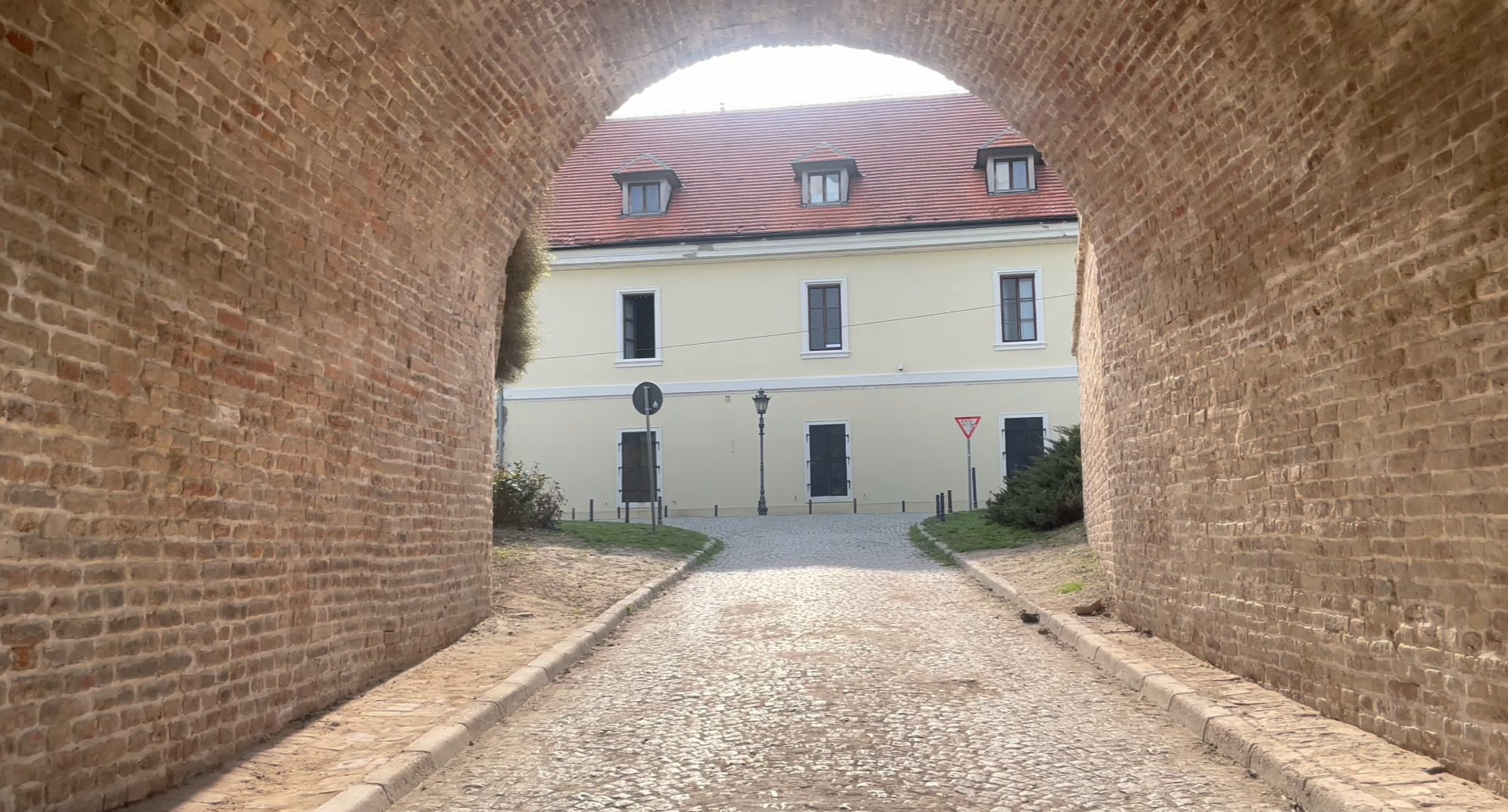
Usually when you arrive expecting something structured.
Common expectations that don’t match reality
- Expecting a clear route with stops laid out
- Looking for dense, indoor exhibits
- Trying to “see everything” in one pass
- Waiting for obvious highlights to guide you
None of that really shows up.
You walk, turn, pause. That’s it.
And if you’re waiting for direction, it can feel like something’s missing.
Better way to think about itIt’s something you move through — not something you finish.
Where It Works Best
- As part of a walking route
- As a transition between center and riverside
- As a viewpoint you return to, not rush through
- When you let yourself wander a bit
Seen like that, it fits easily.
Pulled out on its own, it can feel a bit unfinished.
Final Thoughts
At first glance, it looks like the main stop in Novi Sad.
It doesn’t behave like one.
You walk through the city, cross the bridge, drift across the fortress, and end up by the river without really marking the transitions.
That sequence matters more than any single point.
Try breaking it apart — it loses something.
Keep it connected, and the whole day holds together without effort.
If you’re planning your time, think in terms of movement, not stops. It sounds small, but you notice it once you’re there.
For a complete breakdown of how to build that into a full day, see itinerary.
Or go back to the main overview at to see how it all connects.
